Pages

Showing posts with label Travel & Tourism. Show all posts

Monday, 7 September 2015

Whale watching in South Africa is an experience you will never forget


http://i2.mirror.co.uk/incoming/article6329705.ece/ALTERNATES/s615/South-Africa.jpgThere aren’t many places on Earth where you can perch on a massive white sand dune – or sit outside a bar, cold beer in hand – and watch whales frolic in the surf.But that’s what hordes of people flock to do along South Africa’s south coast. Around this time of year, southern right whales start making their way from the Antarctic to calve and mate.


They come in to the protected shores around the southern tip of Africa to have their babies in August and September and the males arrive for mating in a few weeks.

A fantastically remote place to take in this spectacle is from the top of a sand dune at the magnificent De Hoop Nature Reserve – just three hours from Cape Town.

In addition to whale watching in this World Heritage Site, you can enjoy guided marine walks and hiking trails through 36,000 hectares of rare fynbos vegetation or hop on a bicycle or quad bike and get up close to antelope like bontebok and eland, as well as zebra, baboons and ostriches.

The beaches are spectacular and the rock pools perfect for exploring. Hardy types can do the five-day Whale Trail walk. There is a great range of accommodation spread out along a bird-rich estuary and the Fig Tree restaurant serves delicious local dishes. Get them to pack you a picnic and head for those dunes with your binoculars.

If you’d prefer to combine wildlife with nightlife, there’s no better place than Hermanus, a lively town just over an hour’s drive from Cape Town, which holds a whale festival every year (October 2-4 this year).

The famous Whale Crier will alert you to any sightings in Walker Bay – all you have to do is sit outside one of the bars or restaurants along the cliffs of the New Harbour and the whales basically come to you! There are various lookout points along the cliffs.

And if you fancy getting near enough to hear their tummies rumble – or even get wet when they spout water – you can clamber onto the rocks on the seafront. The sea shelf falls away dramatically here, so the whales come in really close to show off their calves.

If you’re lucky they’ll even put on a show – breaching (backflips clear out of the water), spy-hopping (popping up nose first) and lobtailing (for that great shot of its fluke as it dives under water). September and October is usually peak season, but I have sat outside a pub with a cold glass of sauvignon blanc and watched 20 whales belly-flop and back-flip their way around Walker Bay well into November.

At other times of the year you’ll find schools of hundreds of dolphins feeding on sardines – you can watch from the shore, or take a boat trip around the bay. Thrill seekers can go cage-diving at nearby Gansbaai for close encounters with great white sharks – while gentler types can head 40 minutes in the opposite direction to Betty’s Bay to see penguins waddling about on the beach.

These are a few of the best places to enjoy the abundant marine life – but you sometimes don’t even have to leave Cape Town. Whales are spotted all along the coast at this time of year and around Seal Island – just off the shores of False Bay – is the only place in the world where you can see great whites leap out of the water to attack seals from below. All this just an overnight flight away – with no jetlag. You could even make a long weekend of it…

Friday, 8 May 2015

South Africa tops Sub-Saharan Africa tourism ranking

south-africa-133248
South Africa has been ranked first in Sub-Saharan Africa on the biennial World Economic Forum Travel’s global Travel and Tourism Competitiveness Index (TTCI) 2015 released in Geneva, Switzerland on Wednesday.

Snatching the zenith from Seychelles in the Sub-Saharan Africa category, South Africa was ranked at number 48 globally, while the archipelago of islands was second in the region and followed at a somewhat distant 54 on the world stage.

Seychelles topped the regional rankings in the 2013 report and was at 38 globally, when South Africa held positions 3 and 64.

Mauritius was placed third in the region this year, followed by Namibia, Kenya, Cape Verde, Botswana, Tanzania, Rwanda and Zambia respectively as the Sub-Saharan top ten of 2015.
On the global front, Spain was ranked at the apex, followed by France and then Germany.

Other traditional travel and tourism destinations – the United States, the United Kingdom, Switzerland, Australia, Italy, Japan and Canada – made up the rest of the global top ten.

Compared with other Brics countries, South Africa (at 48 globally) was rated better only than New Delhi. Brazil was ranked 28, Russia 45, India 52 and China was at an enviable 17 on the global front.

“The diversity in the top 30 shows that a country does not have to be wealthy to have a flourishing tourism sector,” said Roberto Crotti, an Economist at the World Economic Forum. “But many countries should still do more to tackle travel and tourism challenges, including visa policies, better promotion of cultural heritage, environmental protection and ICT readiness. This, in turn, would drive economic growth and the creation of jobs.”

The report contains detailed country profiles, benchmarking for the 141 economies featured in the study. It includes a comprehensive summary of their overall positions in the index and a guide to the most prominent travel and tourism advantages and disadvantages of each. Also included is an extensive selection of tables that cover each indicator used in the index’s computation.

The report’s executive summary states that many countries in the Sub-Saharan region “are working on their openness and visa policies, though the longstanding challenges of infrastructure and health and hygiene standards need to be tackled to unleash the potential of the T&T (travel and tourism) sector as a catalyst for development”.

Published under the theme “Growing through Shocks”, the full edition of the 2015 report features three additional chapters authored by leading experts and practitioners in the hospitality and tourism sector.

Among other key findings, the 2015 edition shows that the tourism and travel industry continues to grow more quickly than the global economy as a whole. As proof of its resilience, the analysis shows that the sector’s growth – whether in terms of global air passenger traffic, occupancy rates or international arrivals – tends to return to trend quickly after a shock.

The report ranks the 141 countries across 14 separate dimensions, revealing how well countries could deliver sustainable economic and societal benefits through their travel and tourism sector. Spain’s leadership position is attributed to a world class ranking in cultural resources (number 1 globally); its ability to support online searches for entertainment (4th), a measure of how well the country has adapted to consumption habits brought on by the digital revolution; as well as excellent infrastructure (4th).

The World Economic Forum produced the report in collaboration with Strategy & Bloom consulting, Deloitte, the International Air Transport Association (IATA), and the International Union for Conservation of Nature (IUCN), the United Nations World Tourism Organization and the World Travel & Tourism Council.

Source: Eturbo News

Tuesday, 28 April 2015

Seychelles Carnival: a platform to showcase cultures without shame & fear

The Carnaval International de Victoria is a platform for the world to be able to showcase their cultures without shame and fear.

These words were echoed by the Minister for Tourism and Culture Alain St Ange during the carnival’s press conference a day prior to the official launch of the fifth Carnaval International de Victoria.

Savoy Resort and Spa at Beau Vallon hosted the VIPs and international and local media representatives to the event at its Gecko Bar facing the ocean.

With the backdrop of the sunset, the press conference started at 6 o’clock in the evening. Princess Sikhanyiso of the Kingdom of Swaziland graced the event with her presence and was seated at the head table on stage.

Others at the head table were Minister St Ange, Minister for Foreign Affairs and Transport of Seychelles Joel Morgan, Ghanaian Minister for Tourism, Culture and Creative Arts Elizabeth Ofosu-Adjare, Secretary of State and Vice Minister for Tourism in Cambodia So Mara, the Chief Executive of the Seychelles Tourism Board Sherin Naiken, and Reunion Island Tourism (IRT) Board member Dominque Fournel.

Also present at the press conference were high officials from Seychelles and other countries and delegations from around the world coming to take part in the carnival parade and sponsors of the carnival.

Speaking at the event, Minister St.Ange said when we touch culture you are touching people.
He described the carnival as an event that brings people from around the globe together, regardless of their religious denominations or race.

“The Carnaval International de Victoria which is now celebrating its fifth anniversary is a big achievement for Seychelles. It brings the world together as one and promotes peace and harmony among nations,” he said.

“This year we have new partners who have come on board for this carnival and more countries are taking part in our Carnaval International de Victoria.”

Altogether 29 countries have taken the call to bring their cultures to be showcased in Seychelles.

Those present at the press conference were given an avant-goût of what is expected for the carnival parade on Saturday afternoon.

Minister Morgan congratulated his colleague minister for staging an event such as the carnival.

He added that tourism and transport go hand in hand together.

Minister Morgan said the carnival is a plus for Seychelles as it gives our islands great visibility.

Two announcements were made by Minister Morgan at the press conference. Air Seychelles’ direct flight to Paris as from July was the first announcement made. This is being done in collaboration with Air France, as the airline company that will provide Air Seychelles with a wider network throughout Europe. The second was the start of direct flight from two cities in China as from July this year.

After the speeches and official announcements, journalists present had the chance to ask questions.

The mistresses of ceremony for the press conference were three beauty queens – Miss Seychelles…another world 2014 Camila Estico, Miss United States of America Elizabeth Safrit, and Miss Australia Courtney Thorpe.
Source: Eturbo News

Hunt begins for 2015 Miss Tourism Uganda

unknown-2015
Culture diversity will feature prominently in this year’s Miss Tourism 2015 whose preparations started in Karamoja and West Nile recently.

Karamoja and West Nile tourism clusters are the latest additions to the 9 regional clusters (Buganda, Busoga, Bunyoro, Tooro, Northern, Teso, Ankole, Eastern/Bugisu, and Kigezi) that competed for the prestigious title last year.

Young women between 18 and 27 who understand their respective cultural values have expressed interest from both Kampala and upcountry to represent their regions.

This year’s theme is “Celebrating Uganda’s Cultural Diversity”.

According to Ayishar Nagudi, the Miss Tourism Uganda Public Relations Officer, every regional cluster in the competition will send three girls to the National boot camp in August.
“It is time to showcase Uganda’s diverse culture and promote it as a tourism product,” said Nagudi.

“The young women will not only be addressed as beauty Queens but will also become Ambassadors of Uganda Tourism at international, regional and local tourism events,” she added.

Miss Tourism is an annual pageant that was revived recently by Uganda’s Tourism Minister Maria Mutagamba to promote Uganda’s tourism by engaging Ugandan ladies to showcase Uganda’s attractions.

The Overall Miss Uganda Tourism winner represents Uganda at the Annual Miss Tourism International held in Malaysia on 31st December each year. Miss Tourism Uganda 2013 made Uganda proud by winning the Miss Friendship International award in Miss in December 2013.

Eric Ntalo, the Media Coordinator of the Association of Uganda Tour Operators acknowledged the theme driven towards cultural tourism. He said cultural tourists make up the least composition of visitors to Uganda but are some of biggest spenders in the tourism economy.

The Miss Tourism pageant was revived in 2013 after a 6-year absence as a key social event. The Tourism ministry is taking the lead role in organizing the pageant working in collaboration with other sector agencies and the private sector.

The development of the domestic portfolio is as important as that of the international portfolio for the growth of tourism in Uganda. Despite its importance, domestic tourism has remained low key in Uganda in comparison with other countries in the region like Kenya and Rwanda. Competing for Miss Tourism is one of the ways that can promote local tourism and hence a drive for domestic tourism.

“Whereas international tourist arrivals and contribution to GDP increased in 2013 up to 1,206,334 arrivals from 1,196,000 from 2012, the number of Uganda citizens visiting National Parks and other tourism sites has not significantly increased.

“In that regard, the objective of the Miss Tourism Pageant is to identify individuals who will support national efforts to build the domestic tourism portfolio through motivating fellow citizens to act in the interest of promoting a tourism culture,” said Ntalo. According to the Economic and Statistical Analysis of Tourism in Uganda, cultural tourists spend 30 to 100% more per every visit than other tourists.
Source: Eturbo News

Sunday, 8 March 2015

Welcome to the city of life VARANASI

Mark Twain, the famous English author once wrote: “Benares is older than history, older than tradition, older even than legends and looks twice as old as all of them put together.”

Varanasi, also known as Benares is situated on the banks of river Ganga and is the state capital of Lucknow. The city is said to be the oldest living city in the world, with a known prominence in Hindu mythology.

Pilgrims flock to Varanasi every year. The city is considered a very auspicious place to die, since dying here offers moksha (liberation from the cycle of birth and death).

Being located in the Indo-Gangetic plains, the land in Varanasi is very fertile. The climate is subtropical and large variations can be seen between summers and winters. Temperature ranges between 22 and 46°C in summers. The average annual rainfall is 1,110 mm (44 in). Fog is common in the winters, while hot dry winds, called loo, blow in the summers.
null

Varanasi- Where to go?
 Varanasi is famous for its spiritualism and mysticism. Pilgrims and tourists flock to the city to experience some of the rare experiences. Varanasi is most famous for its ghats and temples. Situated on the banks of the river Ganga, ghats are a major tourist attractions. The Ganga Ghats (river fronts) are the main center of religious activities and rituals and also form one of the main attractions of Varanasi.

The Alamgir Mosque, blend of the Hindu and Mughal styles of the architecture, is another important attraction of Varanasi.

Some of the most important temples of Varanasi are Durga Temple, Vishwanath Temple, Sankat Mochan Temple, Tulsi Manas Temple and the Bharat Mata Temple.

The Bharat Mata Temple houses a huge map of the whole of Indian subcontinent and Tibetan plateau. Other attractions of Varanasi are the Benares Hindu University (BHU), the Archaeological Museum, Sarnath, Bharat Kala Bhavan and the Buddhist Stupas and temples at Sarnath.

Besides numerous temples, Varanasi also brags Buddhist Stupas and Jain temples. Varanasi is also a mirror of the age-old Indian civilization. The archaeological museum at Sarnath houses numerous remains of the past, including the National emblem of India, the Ashoka pillar.

Another major tourist attraction in Varanasi is the Ramnagar fort. The fort is situated around 14 km from Varanasi, and is the ancestral home of the Maharaj of Benares. The Ramnagar fort houses a museum displaying the Royal collection which includes vintage Cars, Royal palkies, an armory of swords and old guns, ivory work and antique c l o c k s .

The Durga Temple and Chhinnamastika Temple are also located at Ramnagar.

Boat Ride in Ganga, Anyone?
River boat rides at Varanasi are an exquisite experience. The early-morning light is particularly inspiring, and all the color and clamor of pilgrims bathing and performing puja unfolds before you. An hour-long trip, south from Dashashwamedh Ghat to Harishchandra Ghat and back is popular.

Paan Benares Wala…
Varanasi’s food is defined by its prominence in Hindu culture and tradition and its regional influences. The food is mouthwatering, and a relief from the otherwise hustle bustle of the chaotic city. Here’s a list of delicacies in Varanasi, one mustn’t miss:

• Kachori-subzi: A traditional breakfast of UP-ites, it’s the best meal one can start their day with. It’s blissful especially after the “Ganga snaan (bath)”. A reasonable and filling dish popularly sold at “Kachori Gali” filled with the heady aroma of fried batter, Kachori is like puri w i t h di f ferent avatars and is served with perfectly cooked spicy sabzi.

• Jalebi Rabri- Jalebi and Rabri is a killer combination. If you are in Varanasi, you should not miss the stalls at Vishwanath Gali.

Jalebis here are served in a dip of Rabri, which is sweetened condensed milk, making it a famous Banarasi grub.

• Lassi- This cold and luscious sweetened yogurt is served in Kulhads (small earthen cups) with a thick topping malai (cream) making it absolutely irresistible.

• Chaats (Aloo & Tamatar) – A famous saying in Varanasi states that people come to Varanasi for two reasons- “Ek banaras ke ghats dusra banaras ke chatpate chaats”, do we need to say more?

• Thandai- It is a cooling drink made of purified water, sugar, seeds of watermelon and muskmelon, almonds, lotus stem seeds, cashew nut, cardamom, saunf, rose-flower, white pepper, saffron.

• Paan- One just cannot leave Banaras without tasting the epic Paan. A preparation of betel leaf combined with nuts, cured tobacco, katha, chuna, etc., Banarasi Paan is the most renowned Paan in the world.
One of the blindly colorful, unrelentingly chaotic and unapologetically indiscreet places on earth, Varanasi is a must visit place.

Sunday, 1 March 2015

Mauritius:A true holiday destination

Mauritius is a fascinating world-inone island slice of paradise. Its very name conjures up images of tropical luxury and stupendous extravagance. This delightful holiday destination offers a wide array of opportunities and services niche segments such as the organization of international events, high profile Weddings, Honeymoon, Spa resorts offering high quality accommodation/services within a highly distinctive well-being package.

Mauritius offers wonderful clean beaches, brilliant coral reefs, attractive multicolored aquatic species, tropical weather and serene atmosphere. Snorkeling, Scuba Diving, Deep- Sea Fishing, Kayaking, Submarine ride, Subscooter ride, there is a sport for almost everyone. One should definitely opt for Under Sea walk - an unusual activity where one can actually walk on the seabed with the weighed foot or opt for world's first Underwater Sub- Scooters. Experience the thrills of Dolphins swimming with you; visit Tamarin Bay, the most famous surf site in on our western coast.

The country has a diversified range of adventures land sports which includes Quad Biking, Para-sailing, mountain biking or Sky Diving. The tour is incomplete without experiencing the thrill of walking with the king of jungle- a unique adventure activity called, “Walk with the Lions” at the Casela Nature & Leisure Park, which is also, home to more than 140 varieties of birds from five different continents. Also the zip-line ride is a thrilling experience in which people are allowed to fly over from one spot to the other, through a network of zip-line cables. It is an interesting way to discover the waterfalls, forest and landscapes of Mauritius. We also have a number of 18-hole championship or international standard golf courses.

Be it a destination wedding or a perfect honeymoon destination; Mauritius fits in perfectly in both the categories. Weddings are well catered with a choice of beautiful backdrops including plantation-style homes, pristine beaches and jagged volcanic mountain ranges. There are fabulous choices of luxury hotels and resorts for people to enjoy pre and post- wedding pampering activities or just a relaxed sunset cocktail in Paradise. Mauritius is perfect destination for an exotic moment of togetherness.

It has a plethora of local and international gastronomical delights for every taste bud. Mauritius has the combination of flavors nurtured through its people of different cultural heritages and cooking traditions. Indulge your palate to an array of wonderful local and international cuisines that include English, Indian, Creole, French, Chinese, African, etc. Most dishes generally have an extensive yet subtle use of spices such as saffron, cardamom, cloves and many different herbs.

Tourists can enjoy a large selection of gateaux’s similar to the ones found in France as well as some wonderful Indian sweets. Mauritius also is proud to claim our local beer, Phoenix, to be one of the best in the world and the world renowned Green Island Rum.

The island also offers a vibrant night-life with casinos or the Sega dances / cultural events organized in the hotels. Watch Sega, which is national dance and musical form of Mauritius. Introduced by African slaves during the French colonial period, the Sega is an exotic dance to watch and enjoy Mauritius nightlife. The region of Grand Baieand Flicen- Flac on the West coast region has some of the most popular pubs, clubs, bars and is a paradise for nightlife lovers.

The island is loaded with historic sites, cultural diversity, geographic variation and almost limitless activities to distract you from the daily grind of beach and pool. Mauritius enjoys a relatively mild climate. Visit Mauritius where you will have your dreams fulfilled.

Sunday, 22 February 2015

KUTCH diaries

The largest district in Gujarat, Kutch is gradually growing as a favored tourist destination in Gujarat. The word ‘Kutch’ literally means something which becomes wet and dry. Most part of the district is a shallow wetland which submerges in water during the rainy season and becomes dry during summers. The district is surrounded by the Gulf of Kutch and the Arabian Sea in south and west and Great and Little Rann in the north and east. The district is famous for its uniqueness in terms of culture and traditions and is popular for famous crafts and embroidery works. Ninety-seven small rivers flow through Kutch and flow into the Arabian Sea, almost twenty major dams and numerous smaller dams are present in Kutch. Kutch has a spectacular wildlife population which can be seen in a number of wildlife sanctuaries and parks present in the district.
Where in Kutch...

The must visit list for Kutch is a long one, below are the few of the must visit places in Kutch.

Little Rann of Kutch Sanctuary:The largest sanctuary in the state of Gujarat, Little Rann of Kutch Sanctuary is spread over an area of 7505.22 sq. km. It is situated in the North-eastern part of Kutch and borders Pakistan. Some rare wild animals such as striend hyena, porcupine, fox, small Indian civet, Indian pangolin and star tortoise can be found in this sanctuary.

Kandla Port:Kandla port is a national port and is one of the 11 major ports in India. Managed by the Ministry of Commerce, Kandla is also the country’s free trade zone whose foundation was laid by Pandit Jawaharlal Nehru.

Aina Mahal:As the name clearly suggest, Aina Mahal is a palace of mirrors built in the 18th century. It is also known as Madansinhji Museum. The hall of mirrors is the biggest attraction in the palace, which has marble walls adorned with mirrors and separated by gilded ornaments. Other attractions in the palace consists of a number of fountains, a pleasure pool and the art gallery which has pictures of Bhuj city and its rulers adorning the walls.

Bharatiya Sanskruti Darshan:It is a famous cultural center which comprises of rare collections of famous Kutchi folks and crafts. These crafts and folk materials are some of the rare artefacts from remote parts of the Kutch district and have been collected by forest officials while travelling around the district.

Prag Mahal:Located next to the Aina Mahal, Prag Mahal is another tourist attraction situated in the Kutch district. Built in the 19th century, the palace is built in Italian-Gothic style. The main attractions include the Main Hall, the Durbar Hall which houses broken chandeliers along with classical statues.

Indian Wild Ass Sanctuary:The largest wildlife sanctuary in India and spread over and area of 4954 sq. km, this sanctuary is the place where the endangered species of wild ass like Khur, as well as species of Asiatic wild ass like Onager could be found. The sanctuary was established in 1972, and also houses other animal species.

Theplas and Tea:
Most of the population in Kutch is vegetarian. Bajre (millet) da Rotla with buttermilk is the staple diet of most people in Kutch. Another famous relish is the ‘Khichhdi’, which is made of rice and pulses. Apart from this, dry theplas, sev and khakhras are made and stored for travel purposes.

Tea is a prominent part of the Kutchi cuisine and is loved by all. One can find tea stalls at every corner of the district. Other famous delicacies of the Kutchi cuisine includes, Khaman dhokla, Gathia, Undhia, Kachori etc.

Like most of India, sweet dishes make an important part of the Kutchi cuisine as well. Sweets like, Adadiya, Gulab Pak, Son Papdi, Gulab Jamun and Jalebi are enjoyed by the Kutchi people.

Rann Utsav:

Rann Utsav

Tuesday, 17 February 2015

The City That Never Sleeps!:MUMBAI

Mumbai is what we lovingly call - the 'City of Dreams'. This marvellous metropolis is not only the financial capital of India that aids as the center of all trade and investments, but also a cultural center.

It is a place where you can enjoy the most eminent stylish labels and merchandises from various fashion houses that overflow the eventful malls. A place where allure is not a rare word and is imitated brazenly in the Bollywood film industry.

To witness some of God's astonishing wonders- the splendid sunsets over the Arabian Sea, do take a look at the beaches in Mumbai, which is a dream-like vision. In Mumbai, night is when the day truly arises, which is why Mumbai is also talk about as the 'city that never sleeps'. Once a cluster of seven islands, Mumbai was offered to King Charles II in 1661 as part of the dowry when he married Princess Catherine de Braganza of Portugal.

City of Dreams: Vivacious, thriving, on the move, energetic, amusing - this is Mumbai or as it is still often denoted as - Bombay. The most contemporary city in India, it catches the essence of the shifting pace set by liberalization and modernisation.

Lip-Smacking Choices: It is the capital of Maharashtra state, and its official language is Marathi though English and Hindi are broadly spoken and understood. The fastpaced life has given rise to packs of "fast-food outlets" on more or less every road, proposing lip-smacking choices of Mumbai's very own: Pau Bhaji, Bhel Puri and Kababs. There is no shortage, yet, of multi-culinary delicacies dished out in high-class restaurants by master chefs.

Shopper's Delight: Mumbai is a shopper's delight with inexpensive buys, élite boutiques, cultural markets and mini bazaars. This eventful city is also the centre of a blossoming cultural life, with an endless stream of concerts in music, dance and drama.

Bindaas Bollywood: Next to Hollywood, Mumbai is world's largest production centre for films. The Film City: 'Bollywood', as it is called, produces the second most number of films in the world every year.

Mumbai for All: Mumbai gratifies to the audacious and the idealistic through its boasting activities, nightclubs, pubs, theatres, beaches and restaurants.

Old and new, rich and poor, classical and modern- it’s all here for you to smell and relish!

WHERE TO GO???

Gateway of India:This 26m-high edifice has four turrets and intricate latticework engraved into the yellow basalt stone. Local people as well as the foreign tourists come down to this place in the evening and take a cool rest from day's tiring work schedules.

Haji Ali:Haji Ali Dargah is one of India’s most famed and prominent landmarks. The impressive Haji Ali is both a mosque and tomb. The Dargah is situated on a small island and is reachable through a narrow walking lane.

Marine Drive:It is the place where people hang out to cool down a while from the muggy hurried and busied life. As street lamps systematically line up on the edge of the beach, it is also known as called Queen's Necklace. Stalls on the beach, selling Bhelpuri, Kulfi and Paan make the chowpatty reviving.

Juhu Beach:Juhu is one of the most popular and posh beaches of India. Tourists can enjoy horse and donkey rides, dancing monkeys, acrobats, cricket matches, toy sellers etc. here.

Essel World: Essel World offers over 40 exciting rides, games, and attractions. The Water Kingdom is said to be the largest of its kind in Asia. It is a perfect destination for a one-day holiday.

Siddhivinayak Temple:The temple has a Kalash, which is a pointed dome of 12 feet high Gabhara (sanctum sanctorum) weighing 1500 kg and plated in gold. So, it expedites the 'Darshan' of Sri Siddhivinayak from either the area surrounding the Gabhara or the stage (Sabha Mandap) constructed to conduct pujas and festivities.A

Sunday, 8 February 2015

Madagascar: The Eight Continent

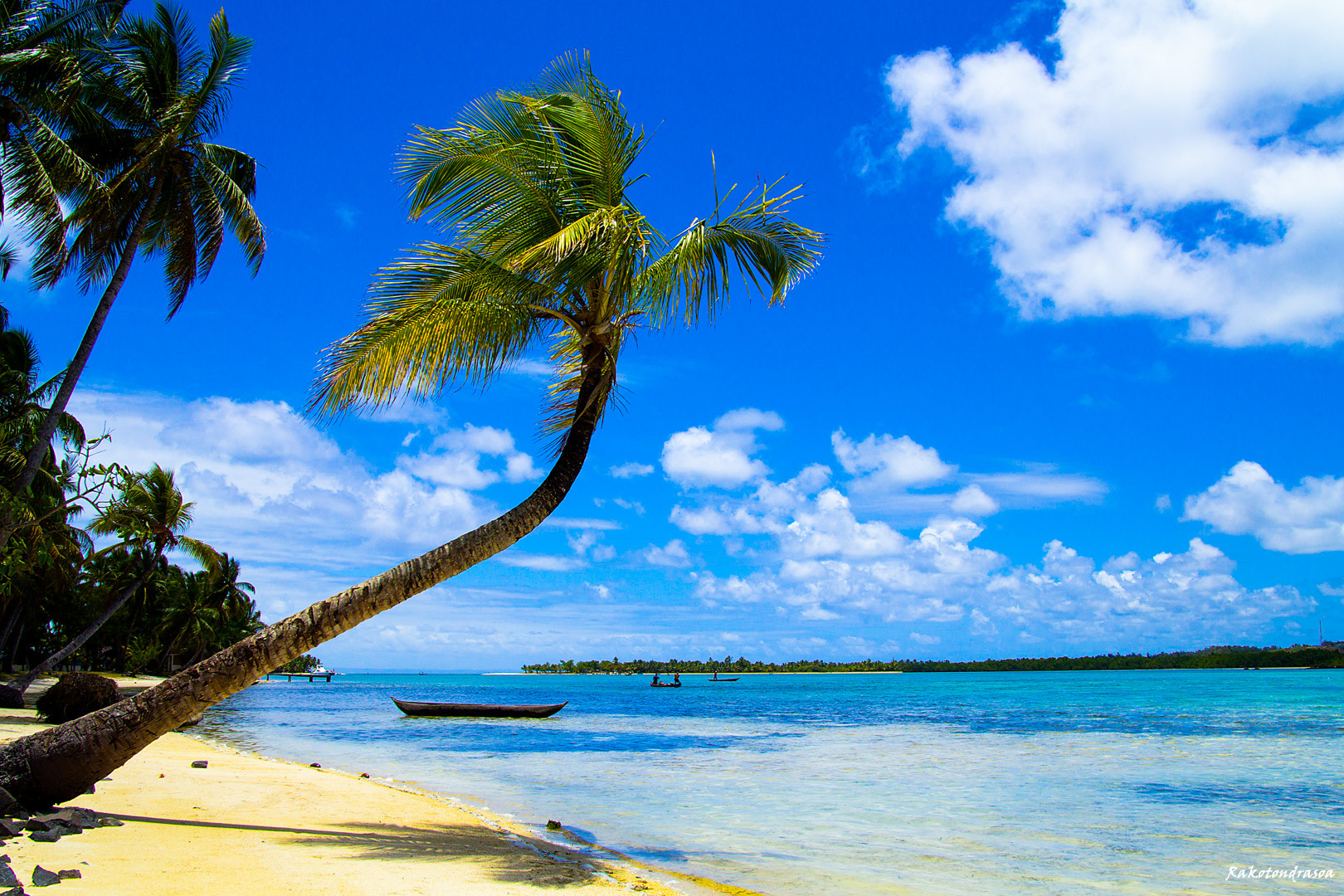
Madagascar, also known as the Malagasy Republic, is positioned in the Indian Ocean off the coast of Southeast Africa. Being one of the last countries to be inhabited by humans, Madagascar is recognized for its ecological exquisiteness and diversity. It is home to thousands of exotic plants and animal species, which cannot be found anywhere in the world. Its spectacular natural diversity has earned it the label of the ‘eighth continent’.

It is true, Madagascar’s ecological diversity is what makes it diverse from the rest of the world, 5% of plants and animals known can be found in Madagascar and in Madagascar alone. The topography is also praiseworthy, one can go from rainforest to desert in just 300 km. The country is truly a natural phantasmagoria. Madagascar is a bliss for nature lovers and adventure enthusiasts.

The Enthralling Climatic Scenario
Madagascar experiences a hot rainy season (November to April) and a cooler dry season (May-October). This is due to the combination of southeastern trade winds and northwestern monsoons. Heavy rainfall is responsible for the country’s survival and existence of country’s rainforests.

Madagascar is particularly blessed with a wide diversity of flora and fauna. Almost 90% of wildlife found in Madagascar is endemic, including the lemurs. The island is also a biodiversity hotspot, thus making it all the more importance in reference to the climatic scenario of the world.

In Madagascar…
Madagascar is a dreamland for tourists who love to spend their vacations in the lap of nature. From national parks to beaches to historical villages, Madagascar has it all.

1. Ranomafana National Park:It is the most popular national park in Madagascar, located in the southeastern region of Madagascar, near the village of Ranomafana. The eastern part of the park is spectacular with many streams splashing through the park. The park is also home to many endangered species, including the golden bamboo lemur.

2. Masoala National Park: Spread over an area of 250 miles of rainforests and consisting of three marine parks as well, Masoala National Park is situated in northeastern Madagascar. The park houses a large species of flora and fauna. Aye-aye, the world’s largest nocturnal primate is also found in Masoala. The tomato frog, distinctly known for its red color is also found in this park. The three marine parks are an ideal place for snorkeling and kayaking.

3. Royal Hill of Ambohimanga: An historical village that is considered very sacred by the people of Madagascar, Ambohimanga was once home to the royal; family of Madagascar. The village is surrounded by a wall made of mortar, which was made of lime and egg shells. The home of former king Andrianampoinimerina is made of solid rosewood and the compound also houses artifacts like drums, weapons and talismans.

4. Avenue of the Baobabs: One of the most visited tourist destinations in Madagascar, the avenue of Baobabs is situated along a dirt road between Morondava and Belon’i Tsiribihina in western Madagascar. It is a group of trees, which have a strange shape. The Baobab trees originated some 800 years ago and were earlier found in dense forests, the clearing of forests for agriculture has left only the Baobabs.

5. Nosy Be: If you are looking to spend some time in peace and tranquility then Nosy Be is the place for you. The beaches of Nosy Be may not be picture perfect but are still a favourite tourist spot known for their quite environment, clear turquoise water and excellent seafood restaurants.

6. Tsingy de Bemaraha: Madagascar’s largest natural reserve, Tsingy de Bemaraha is situated in the southern part of Madagascar. The park features a broad range of mangrove forests. The word ‘tsingy’ means pinnacles in reference to the peaks of the limestone plateau.

7. Ile Sainte Marie: The Island is one of the celebrated tourist attractions of Madagascar. The island enticed pirates in the 17th and 18th century and the wrecks of ships can still be seen in the waters of the Baie des Forbans. This is an ideal spot for snorkeling and spotting migrating humpback whales which visit the island during summers.

The Malagasy Food
Malagasy cuisine is inclined by Southeast Asian, Chinese, India, African and European cuisines. Rice is the staple food all over Madagascar. Zebu or beef steaks are famous in Madagascar and are usually served with a creamy green peppercorn sauce. Seafood also dominates the cuisine of the region, with lobster and shellfish being the most famous one. Pizza is a famous all over the island country.

Street snacks include slices of coconut and peanuts in a sweet coconut or toffee coating, koba (banana, peanuts and rice, ground to a paste, wrapped in a banana leaf and served in slices), sambos (samosas) or nems (spring rolls) are famous street snacks in Madagascar.

Romazava (a type of beef stew), Ravitoto (pork served with shredded cassava leaves), Varanga (fried slivers of beef), Sesika (a sort of poultry blood sausage), Vorivorin-kena (beef tripe), Smalona (stuffed eels), Lasary (a colourful chutney usually made from lemon, mango or papaya - or sometimes tomato, peanuts or vegetables), Khimo (curried ground beef popular in Majunga), Kabaro (lima beans with curry or coconut, a speciality in Morondava) are the special delicacies of the region.

Malagasy cuisine is not generally hot and spicy, but a local relish known as sakay is always available to spice up the dish. Sakay ranges from mildly hot to cataclysmically spicy, thus it is advised to be cautious before testing it.

Monday, 2 February 2015

KANNUR : The Land of Looms And Lore

The beautiful city of Kannur is situated in Kerala, the southern state of India. Also known as Cannanore, the city is the largest city in North Malabar Region. The city is said to be the ancient port of Naura, from where King Solomon’s ship collected timber. Kannur was also lauded by Marco Polo as the land of spice trade.

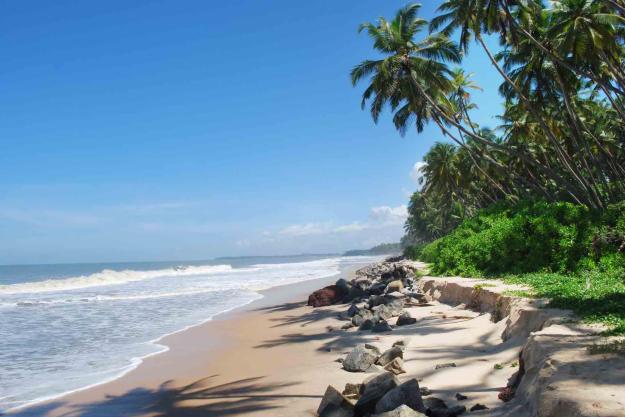
Kannur’s brilliant past can be seen in its ancient monuments, shrines and a breathtaking landscape. Beaches in the southern part of the city are among some of the best beaches in Kerala.

The city derived its name from the name of god Kannan (Krishna) and Ur (place) thus making it the place of Lord Krishna. Aptly known as the ‘Land of Looms and Lore’, the city is famous for its handloom and is one of the largest exporters of handlooms in India.

Having a rich background of traditional art and culture, Kannur is famous for Theyyam, am ancient and still popular dance form. It also houses the Kerala folklore academy. Also, a large number of plays and dances are prevalent among the local tribes.

Blessed with a wealth of natural beauty, Kannur’s beaches, hill stations, back waters and historical monuments are remarkable. The city has been a key contributor to the cultural, religious, political and industrial heritage of Kerala.

Some of the noted tourist attractions in Kannur are:

Arakkal Museum: Dedicated to the only Muslim royal family of South India, the Arakkal museum is a part of the Arakkalketu (Arakkal Palace). The family rules Kannur for several years and had trade relations with the Arabs and later Europeans.

Bekal Fort: Built over 300 years ago and spread over 40 acres, Bekal is the largest fort in Kerala. The water tank with a flight of steps and a tunnel to its south, a magazine to keep arms and ammunitions and an observation center are the striking features of the fort. The observation center is remarkable as it helped to know even the slightest movement of the enemy. The fort is said to be built exclusively for fulfilling defense purposes as is evident from the holes found on the walls of the fort.

Ezhimala Hill: Protruding into the Arabian Sea, it was the former capital of Mushika Kings. The Indian Naval Academy is located in the hills and a famous Hanuman temple is among the major tourist attractions. One can enjoy watching dolphins at the Ettikulum Bay as well.

Madayipara: Holding historic and religious importance, Madayipara is an important destination in Kannur. A pond in the shape of a hand held mirror, the Vadukunda Siva Temple are the two most famous attractions in the region. The Pooram festival is also significant in the region. Apart from religious and cultural aspects, the region has about 300 flowering plants and 30 varieties of grass. Also home to several medicinal plants, Madayipara holds a very important place in the bio-diversity sector.

Muzhappilangad Drive-in Beach: The only drive-in beach in Kerala, Muzhappilangad runs parallel to NH 17. One can drive the entire 4km length of the beach. Covered with coconut groves and bordered by black stones, it is among the most important tourist attractions in Kerala.

Payyambalam Beach: One of the most beautiful beaches in Kerala, Payyambalam is the place to be when you want a relaxing holiday. Well known for wellconstructed and laid out gardens, and a sculpture of a mother and child, the beach is known for its cleanliness. A beautiful public spot, its location around 2km away from Kannur makes it an ideal destination.

Vaithal Mala/Pythal Mala: Situated at a height of 4,500 ft. above sea level, Pythal Mala is situated at the Kerala-Karnataka border. Having an abundance of flora and fauna, the place is now being developed as a hill resort. The place is a trekker’s paradise.

Kannur Fort: Also known as St. Angela’s Fort, the fort was built in 1505 by the first Portuguese Viceroy of India. It is the most important historical site and a famous tourist center. The fort is maintained by the Archeological Survey of India.

Parassinikkadavu Temple: The temple’s architecture is testimony to the many unique practices and rituals followed. The temple promotes the concept of ‘Vasudaiva Kutumbakam- the whole world is one family’, people from all religions are attracted to this place. The temple is also a favored tourist destination for tourists and pilgrims, who wish to enjoy the charm of Theyyam, which is performed here on daily basis.

SPICY DELICACIES
Kannur’s cuisine is largely influenced by its culture, religion and other traditional activities. One can mostly find Kerala-Malabar food like, Dosa, Puttu and Appam. The lip smacking, Spicy Coconut Chammanthy, the Palada Payasam are a part of the special cuisine of Kannur. Seafood is an important part of the region’s food habit, Kannur being a coastal town.

While being in Kannur enjoy tasting stuffed Mussels which are greatly available with the most of the local vendors. The Malabar Food Festival which is organized regularly in the landscapes of Kerala features sumptuous cuisines from the four districts of Kannur, Wayanad, Kozhikode and Kasaragode.

Monday, 26 January 2015

The beautiful city: CHANDIGARH

Set up in 1966, Chandigarh is the first planned city of India and is known worldwide for its architecture and planned city design. Lush green well planned public places, the most happening party spots with swanky malls and multiplexes, and the only union territory to have an international cricket stadium, this is how Chandigarh is known to most of India. Bordered by the states of Punjab and Haryana, the city is a blend of both. The city is also the first smoke-free city in India.

The city was designed by Swiss architect Le Corbusier, who imagined the city with sweeping boulevards, lakes and gardens and grand civic buildings. Thus, the city came into being in and the architecture still stands the test of time.

For tourists, Chandigarh is the place India like to be seenprosperous, comfortable and cosmopolitan. The city is also the best place to party, eat, drink and shop.

Sharing borders with the state of Punjab and Haryana, Chandigarh is situated at the foothills of Shivalik mountain ranges.

The union territory experiences humid subtropical climate: very hot summers, mild winters, unreliable rainfall and great variation in temperature (-1°C to 46°C).

Majority of the city is covered by dense plantations of banyan and eucalyptus. The city also has forests surrounding it where many animal and plant species like deer, sambars, barking deer, parrots, woodpeckers and other migratory birds could be found.

Gardens, Lakes and City Centers…
Chandigarh is famous for its gardens, manmade lakes and well-designed city centers. It is a place for nature lovers, historians, architects or simply tourists who want to enjoy the luxury of urban life. Must visit places in the city include:

Sukhna Lake
Le Corbusier’s greatest creation, the lake is among the most beautiful places in Chandigarh. A man-made lake, created by damming the water from Shivalik Hills, the lake is the place that draws people for its peace and quiet.

Rock Garden
This place is identical to Chandigarh. Created out of industrial waste, rocks and concrete. Created by artist Nek Chand, the gardens are located on a conserved land. It is said that Nek Chand, the creator of this garden used to work on it in his free time and it wasn’t before 1970’s that the garden was discovered.

Zakir Hussain Rock Garden
Housing some 1,600 varieties of roses, this garden is a must visit for nature lovers. Established in 1967, the garden houses more than 17,000 plants including medicinal plants. It is also one of Asia’s largest rose garden.

National Gallery of Portraits
A galore of portraits, speeches, writings and texts of India’s freedom struggle, National Gallery of Portraits is a favourite for history lovers. It houses photographs, recording and an incredible collection of books on freedom movement.

Pinjore Gardens
The massive garden was established in the 17th century by architect Nawab Fidai Khan, and later refurbished by Maharaja Yadavindra Singh. It is laid out on seven terraces and gives a royal experience to the tourists. One can take the train which takes tourists to various places in the garden or explore the place on foot.

The Capitol
The visionary architect, Le Corbusier envisioned Chandigarh as a living being with different centers representing its body parts. The capitol was thus designed to function as the head of the city, with Shivalik ranges in the north. It houses the High Court of Chandigarh, also known as the Palace of Justice, the Secretariat known as the Palace of Ministries and Legislative Assembly called the Palace of Assembly.

Food Lover’s Delight
No trip to the beautiful city is complete without experiencing its diverse gastronomic culture. People in the city are big time foodies, and the food habits are mostly influenced by Punjab and Haryana. Chandigarh’s food is conventionally spicy and made with lots of oil and ghee. Makkee ki Roti, stuffed paranthas, chana bhaturas and the world famous tandoori chicken are among the famous food items from Chandigarh.

The people of Chandigarh are also very fond of milk and milk based products. Lassi, buttermilk and curd are widely consumed with meals. Like any other Indian city, Chandigarh also has its unique sweets. Roh di Kheer, Jaleb, Malpua and Ballushahi are some of the mouthwatering sweet dishes from Chandigarh and are a must try for foodies.

Chandigarh has everything of modern India, it is fashionable, happening, vibrant, beautiful, comfortable and peaceful, and here the radiance of nature and heart are within our reach.

Sunday, 18 January 2015

UTOPIA ON EARTH:SIKKIM

Surrounded by sky high mountains, green valleys, unspoiled forests, Sikkim is an exotic place to visit. The topography adds to the sense of adventure of the state. Friendly people and mouthwatering dishes, and the tranquility makes the place a traveler’s dream.

Travelling is revitalizing, travelling is exciting and travelling is considered as a respite from the dull and hectic life. For all the travelling enthusiasts who love exploring new places, and absolutely love a place which offers peace and adventure at the same time, also known as Nye-mae-el (literally meaning “paradise”), Sikkim is the place for you.

Perhaps the loveliest destination in India, Sikkim is a hilly state with plunging mountain ranges and valleys, and lush green forests. Its remoteness makes it difficult to access, but at the same time one of the most peaceful holiday destinations in India.

The second smallest state in terms of area, the state of Sikkim is landlocked by the Himalayas on one side, Nepal, China’s Tibet Autonomous Region and Bhutan. The world’s third highest peak, Kangchenjunga is situated on the Sikkim-Nepal border.

The annual average temperature of Sikkim is 18°C, and it has a sub-tropical climate in the south and tundra climate in the north. It is also one of the very few stated of India to receive regular snowfall.

Exceptionally blessed by nature, Sikkim houses a wide variety of flora and fauna. Bamboos, Oak, Conifer, Orchids and many flowering plants are among the few varieties of plants present in the region. Among the wildlife, one can find the Red Panda, Asian black bear, Leopard, Musk Deer and many other.

Welcoming People
Sikkim is a blend of people from different ethnicities coming together and living in the region. A considerable number of Nepalese population because of the shared border with Nepal. One can also find the Lepchas, Bhutias, and Tibetans living together with migrants from other communities such as Bengalis, Marwaris and Biharis.

Majority of the population of Sikkim are followers of Hinduism, and the state houses many Hindu temples as well. Buddhism is also a major religion in the state. The Kirateshwar Mahadev Temple is also a very popular pilgrimage center. Most Hindu festivals including Diwali and Dussehra are celebrated, Maghe Sanskriti, Bhimsen Puja, Losar, Loosong and Bhumchu are among the other festivals celebrated in the state.

In Love with Momos and Thukpas…
A blend of Indian, Nepalese and Tibetan cuisine, the food habits in Sikkim are very diverse. Momos (stuffed steam dumplings) are the most famous dish of Sikkim.

Another very popular dish widely available in the state is Thukpa, a Tibetan style noodle based soup.

Other famous dishes include, Kinema, Gundruk and Sinki. Sishnu is the most exotic local dish of Sikkim, prepared from leaves of edible wild varieties of nettle.

Sikkim is also popular for its Temi Tea, which mainly consists of pure tea golden flowery orange pekoe. The chilly weather makes the tea drinking experience enjoyable.

the untouched Heaven on Earth

Sikkim is a traveler’s paradise, something about the state is very soothing to the soul. When in Sikkim, it is a must to visit some of the below mentioned places:

Monasteries
The fact that Sikkim houses over 200 monasteries and the breathtaking scenic beauty makes it one of the best places to meditate. These monasteries are the perfect place to attain some peace and quiet and move away from the commotion of city life. Festivals are held in these monasteries which make them a fun place to be in. Rumtek, Pemayangtse and Tashiding are among the famous monasteries in Sikkim.

Teesta River
If you love adventure sports, Teesta River is the place for you. River rafting is the latest adventure activity to arrive in Sikkim. The topography of the area and the interesting course of the area makes it an interesting and thrilling activity. The best time for rafting is March to May and October to December.

Yuksom and the Dzongri Trail
The magnificent valleys, dense forests, magnificent gardens and rivers makes Sikkim a trekker’s paradise. The trek from Yuksom to Dzongri Peak, is the most famous trek in Sikkim.

Sancturies
An astounding variety of flora and fauna- over 450 species of birds, 400 species of butterflies and 450 varieties of orchids- makes the state a just visit for nature enthusiasts. Deorali Orchid Sanctuary in South Gangtok and Kyongnosia Alpine Sanctuary are two of the most famous sanctuaries in Sikkim.

Nathu La Pass and the Old Silk Route
three hours from Gangtok, the old Silk Route and the Nathu La Pass is situated on the Chinese border. With Chinese soldiers stationed on the other side of the border, the height and the snowcapped pass adds a thrill to the journey. Although only Indians are allowed to travel to the pass after obtaining the proper permit.