 East Africa is emerging as a trade hub to rival sub-Saharan Africa’s two heavyweight states of South Africa and Nigeria, according to analysis by Barclays published on Thursday. However the UK bank identifies five “sleeping giants” that present significant new for foreign companies; Ethiopia, the Democratic Republic of Congo, Mozambique, Tanzania and Ghana.
This quintet which are “playing catch-up after significant political and economic upheaval . . . are increasingly attractive to foreign firms and international investors with an eye on long-term returns from fast-growing markets,” Barclays said in its inaugural Africa Trade Index.
Matt Tuck, head of global corporate banking at Barclays, said the five were open to international trade and had rapidly growing populations that are likely to reach 325m in total by 2020, comparable to that of the US. Moreover, any repeat of the 7.3 per cent compound annual economic growth they have experienced over the past five years would lead to a significant rise in household spending. Most are relatively unreliant on commodity exports by African standards, shielding them from some of the storms currently battering emerging markets.
“The core underlying fundamentals are getting better and with more stable government it does represent an opportunity for growth,” said Mr Tuck. “It’s a much more encouraging outlook than in the past.” Overall, Barclays found South Africa and Nigeria offered the best opportunities for foreign companies, in terms of unmet demand, the absence of major barriers to cross-border trade and their connectivity with other African countries.
While South Africa is the “standout performer”, Barclays said Nigeria arguably represented the “most exciting” long-term opportunity. However it added that the country suffered from “logistical difficulties posed by inadequate infrastructure,” which meant many companies had to provide their own power and water supplies.
The bank, which has operated in Africa for more than 150 years and has 1,500 branches across the continent, said Nigeria needed to reduce non-tariff barriers to trade, as well as invest heavily in transport networks and power provision. Barclays said that east Africa was emerging as a trade hub, with improved border administration helping create a fast-growing regional market.
The east African Community introduced a single customs territory last year, earning praise from Erich Kieck, director for capacity building at the World Customs Organisation, for “remarkable work simplifying the control of goods moving across the customs union”.
Kenya is ranked third in Barclays’ index, with Tanzania and Ethiopia also in the top six. Mr Tuck said Kenya had taken on the role of “regional leader”, pushing for regional policy in terms of infrastructure and administration and developing strong regional and global air connectivity.
“Many countries, particularly in east Africa, have invested in major developments in both infrastructure and ‘soft’ infrastructure such as tariffs and border policies,” said Mr Tuck. He welcomed the development of “one-stop” border posts, where a single customs check is run jointly by neighbouring countries, rather than each country operating their own station.
East Africa is leading the way in this regard, with seven OSBPs operational or in development in Tanzania and six in Uganda and Kenya, although they are spreading further afield with even Zimbabwe implementing such a system at its Chirundi border post with Zambia.
Developments such as these have helped the dollar value of intra-regional exports expand at a compound annual growth rate of 16 per cent between 2004 and 2013, Barclays said, double the 7.6 per cent CAGR for sub-Saharan exports in total, which hit $460bn in 2014.
Mr Tuck said intra-regional trade still only represented 17 per cent of total trade flows in sub-Saharan Africa, below the levels in regions such as Latin America (20 per cent), North America (32 per cent), Asia (48 per cent) and Europe (66 per cent).
Having said that, bodies such as the African Development Bank have estimated that the true figure is nearer to 40 per cent when informal and unofficial cross-border trade is taken into account.
The report, which was compiled as an aid for UK exporters but has wider ramifications, also pointed to the degree to which Europe has been usurped by the rise of Asia, which accounted for 19 per cent of sub-Saharan Africa’s goods imports in 2004 but 32 per cent by 2013.
Barclays saw some of the best opportunities in the retail sector, with the development of more formal shops, malls and supermarkets allowing customers to “trade up”, and expanding mobile and internet services creating new avenues for online retailers. Opportunities abound elsewhere though, with Diageo, the UK drinks group, currently generating 13 per cent of its sales in sub-Saharan Africa, a figure it hopes to raise to 20 per cent.
 Mauritania shocked South Africa 3-1, Ghana edged Rwanda 1-0 and Nigeria were held 0-0 by Tanzania Saturday in Africa Cup of Nations matchday 2 qualifiers. A blunder by goalkeeper and captain Itumeleng Khune after five minutes cost South Africa a goal in Nouakchott and set the home team on the road to their greatest Cup of Nations triumph.
 A team of experts raised by the World Health Organisation (WHO) has developed Fertility Guidelines especially on the practice of In Vitro Fertilisation (IVF)/Assiated Reproductive Technologies (ARTs) in Africa.
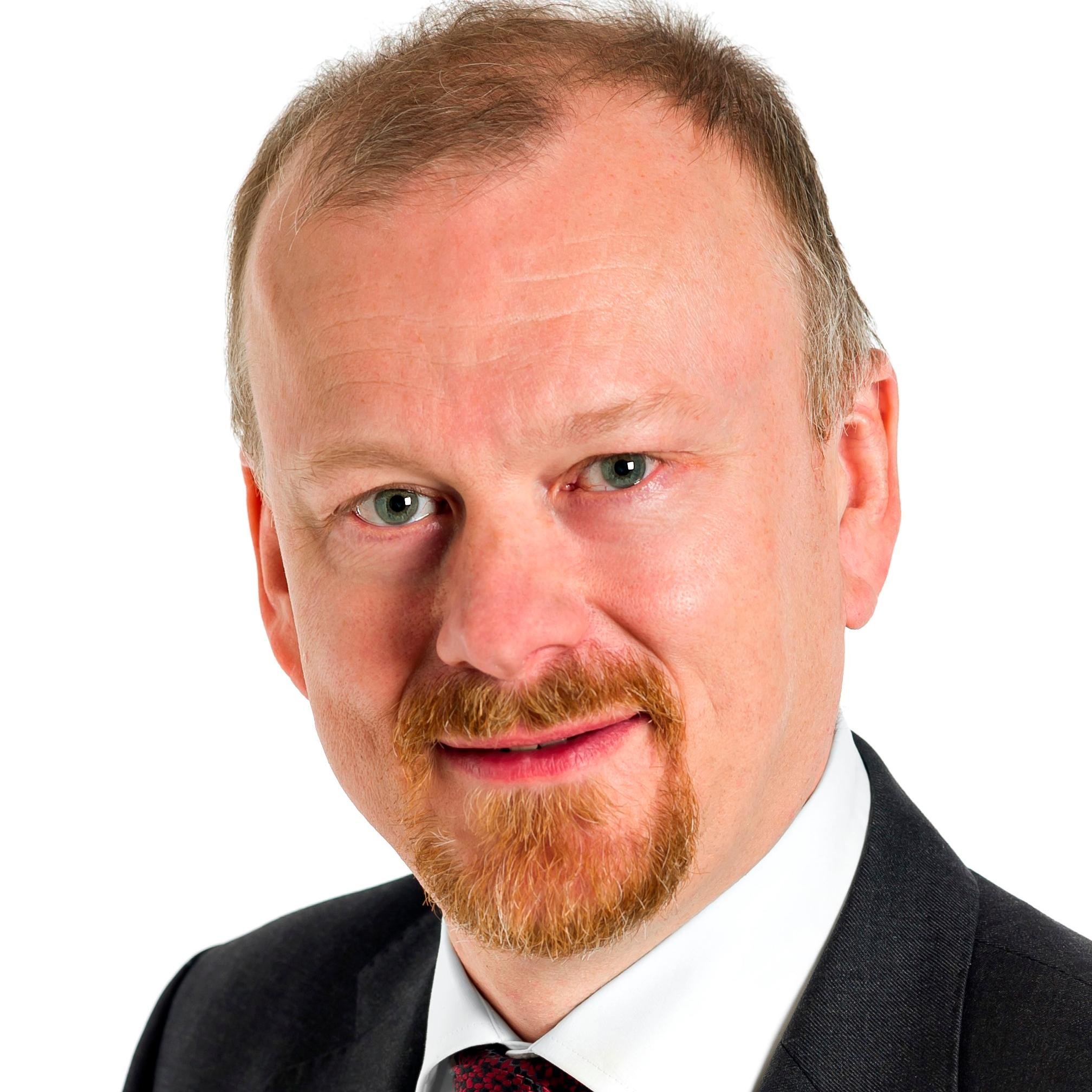 Veteran investor Jerome Booth, who has long extolled the virtues of emerging markets, is to launch a new investment fund that will focus on renewable and conventional energy projects in Africa.
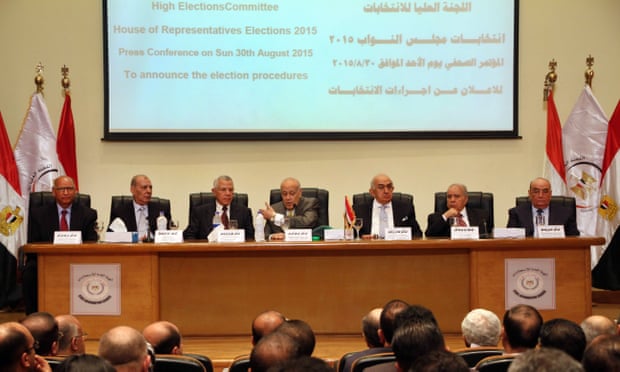 Egypt will hold a long-awaited parliamentary election in two phases starting on 18-19 October, the election commission has said.
 Southern Africa-focused low-cost airline Fly Africa will expand to fly new routes to destinations in East and West Africa, Gabon's president said on Saturday.
 South African conglomerate Bidvest Group reported an 8.6 percent rise in annual profit on Monday, buoyed by its food service business.
 Kenya's President Uhuru Kenyatta is leading efforts to give a fresh impetus to the African Peer Review Mechanism (APRM), which was initiated 12 years ago to institutionalise good governance and democratic leadership on the continent.
 There aren’t many places on Earth where you can perch on a massive white sand dune – or sit outside a bar, cold beer in hand – and watch whales frolic in the surf.But that’s what hordes of people flock to do along South Africa’s south coast. Around this time of year, southern right whales start making their way from the Antarctic to calve and mate.
 All future bilateral series between India and South Africa, including South Africa's forthcoming tour of India, will be called the Mahatma Gandhi-Nelson Mandela series, the two boards have announced. The Test series, the BCCI and Cricket South Africa said, will be played for the Freedom Trophy.
 South Sudan's president signed a peace deal on Wednesday to end a 20-month conflict with rebels, but he told regional African leaders at the ceremony that he still had "serious reservations". President Salva Kiir, who has led South Sudan since it seceded from Sudan in 2011, last week asked for more time for consultations, drawing threats of U.N. sanctions if he failed to ink it within a two-week deadline.
 High above the crowded streets of Addis Ababa, among fields where farmers lead oxen dragging wooden ploughs, sits Ethiopia’s space programme.Operational for only a few months, the specialized equipment — the first in eastern Africa — has propelled Ethiopia into an elite club of African countries to have embarked on a space programme.
 Canadian policy in Africa can be summed up in nine words: Do what is good for Canadian-owned mining companies. Despite rhetoric about aid to the poorest people in the world, the Harper Conservatives have worked assiduously to ensure that Canadian corporations profit from Africa’s vast mineral resources.
 Africa’s rise challenges the imagination. During the last decade, Sub-Saharan Africa was home to six of the world’s ten fastest-growing economies. During the next five years, the region’s GDP is expected to grow 30% faster than that of the rest of the world. And, during the next 35 years, the continent will account for more than half of the world’s population growth, according to the United Nations.
 South Africa's government will impose a 10 percent import tariff on steel imports to protect the struggling industry, with the possibility of hiking them further, an industry body said on Monday. Cheap imports from China are hurting steel makers in South Africa, which currently does not have import duties on steel. As many as 200,000 jobs are at risk due to a global supply glut of the commodity, ArcelorMittal South Africa has warned.


